When Corporate Bribes Were Legal: The Case That Changed Everything
When Corporate Bribes Were Legal: The Case That Changed Everything
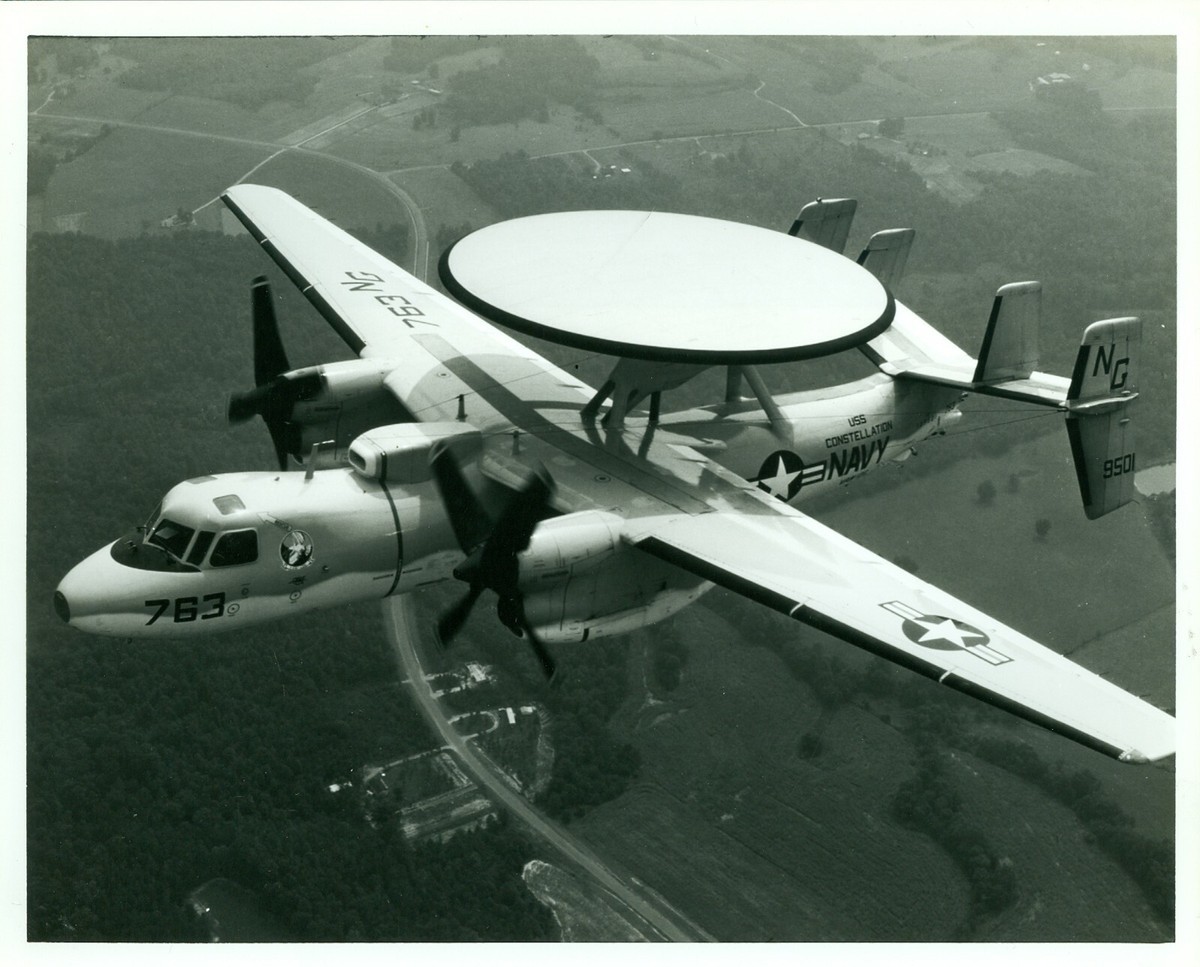
In 1975, CLIPI sued Northrop Corporation on behalf of a shareholder who owned exactly two shares of stock.
What started as a lawsuit about illegal campaign contributions quickly revealed something far larger: Northrop was bribing foreign governments worldwide to secure contracts. And they weren't alone—this was standard practice across American business.
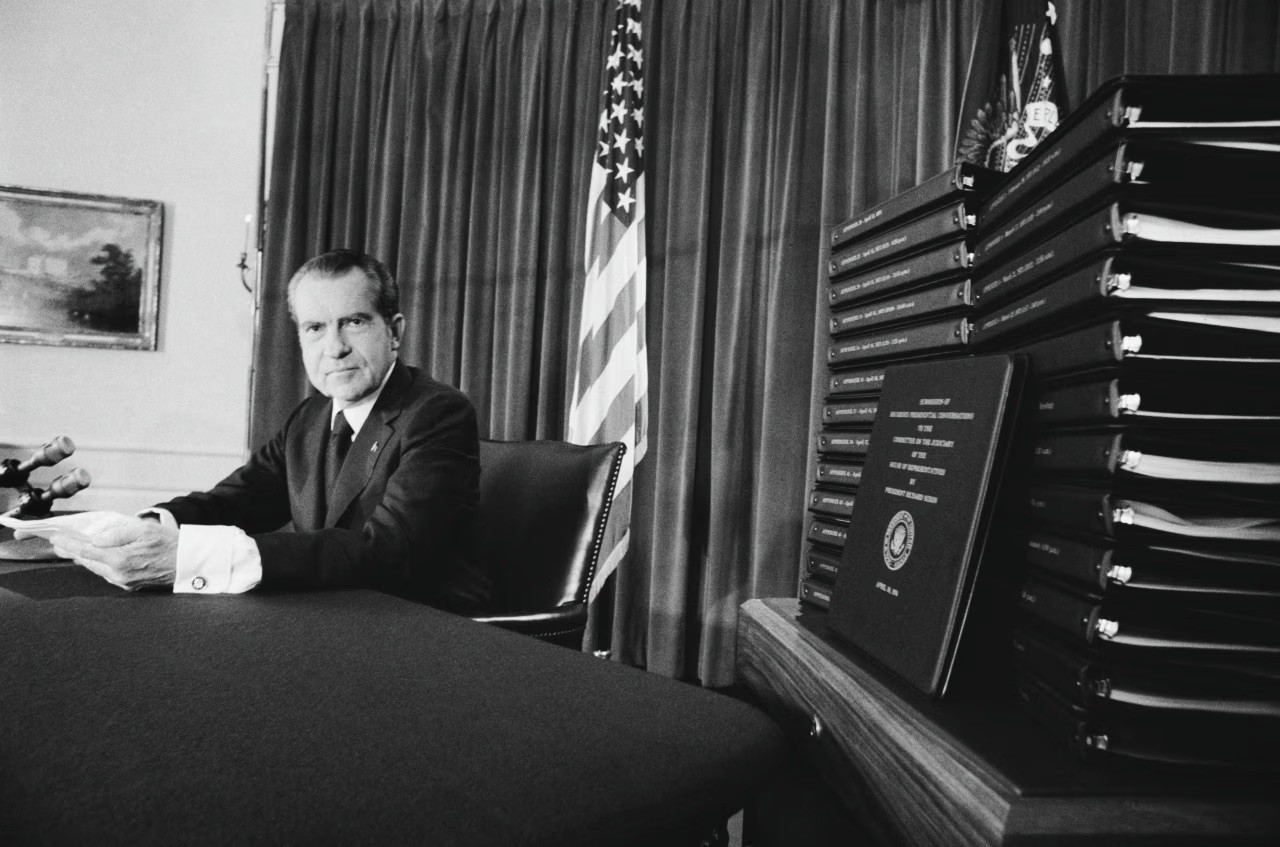
We worked closely with Judge Warren Ferguson, who understood what was at stake. The case led directly to Congressional hearings by the Frank Church Committee and ultimately to passage of the Foreign Corrupt Practices Act in 1977.
The FCPA fundamentally changed how American companies conduct business internationally. It made foreign bribery illegal and established that honest accounting practices matter—not just for investors, but for U.S. credibility globally.
My co-founders John Phillips and Brent Rushforth and I recently wrote an op-ed in The Wall Street Journal noting that the current administration has essentially abandoned enforcement of the FCPA. They're not prosecuting violations. “They've thrown the law in the garbage can,” as Brent put it.
At our CLIPI event this past October, several attendees noted how the Northrop case shaped their own careers in public interest law. That litigation demonstrated that corporate corruption could be challenged and that legal tools existed—or could be created—to hold powerful interests accountable.
It started with one shareholder, two shares of stock, and a law firm willing to follow the money.
Northrop files tell an important story about how public interest law can address systemic corruption.
Category
News
Written by

Carlyle W. Hall Jr.
Co-Founder, CLIPI
Published
Category
News
Written by
Carlyle W. Hall Jr.
Co-Founder, CLIPI
Published
Blog and articles
Latest insights and trends
Blog and articles