What 35 Years of Public Interest Law Looks Like
What 35 Years of Public Interest Law Looks Like
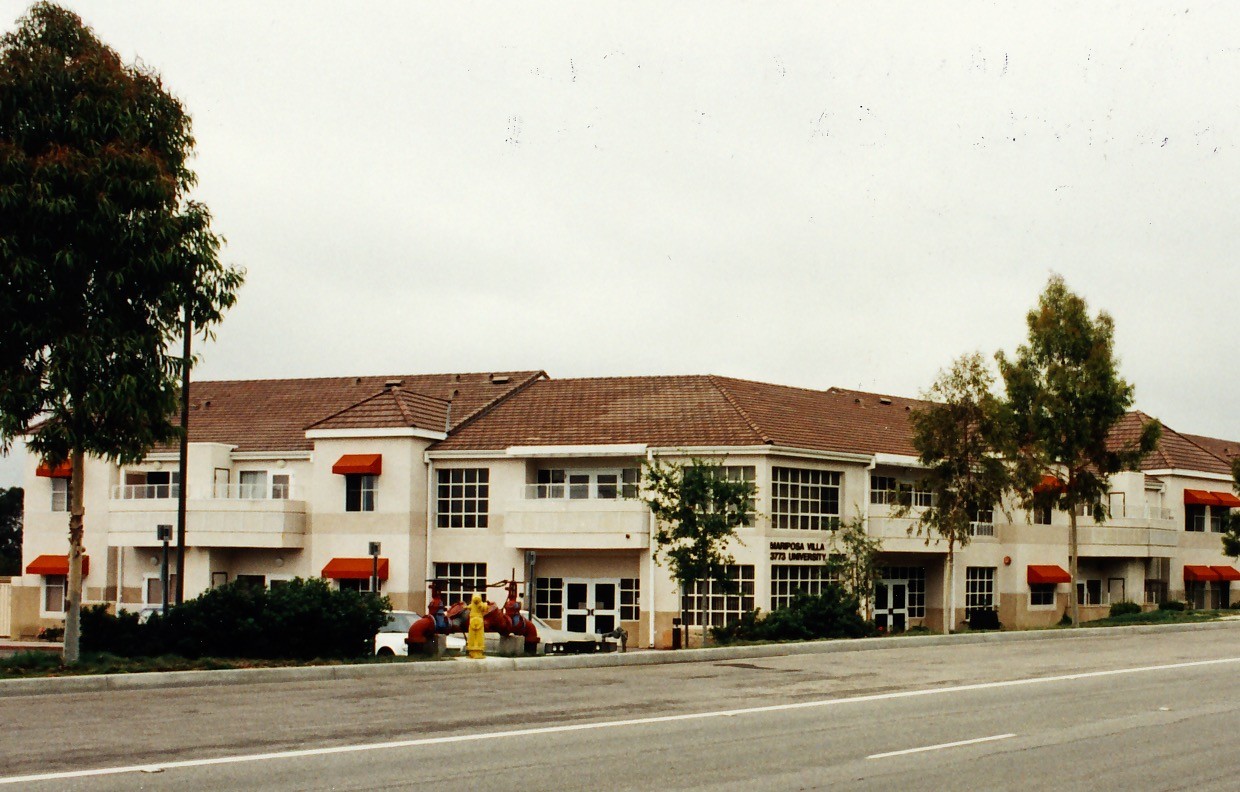
Image of affordable housing units
Image of affordable housing units
Numbers don't tell the whole story, but they tell part of it.
During its 35 years of operation, CLIPI's legal work contributed to the creation of thousands of units of affordable housing, thousands of jobs for minorities and women in industries and agencies that had excluded them, thousands of acres of parks and open space, millions of dollars of consumer protection funding and the recovery of more than $40 billion in fraudulent corporate billings to the federal government through the False Claims Act.
CLIPI attorneys helped establish CEQA as the framework for environmental review in California, opened the LAPD to women officers, stopped oil drilling off Santa Monica's beaches, preserved LA County's last major coastal wetlands, and protected the wildlife corridors that make the new Wallis Annenberg Wildlife Crossing possible.
Beyond specific cases, CLIPI helped create the financial underpinnings that sustain public interest legal work: court-awarded attorney's fees in civil rights cases, consumer trust funds in class action damages, and the revised False Claims Act that has enabled billions in government fraud recoveries.
And CLIPI’s people. Dozens of CLIPI fellows and staff attorneys went on to lead environmental agencies, serve in presidential administrations, become law school deans, and continue public interest careers across the country.
All of it started with four lawyers who left a corporate firm because they thought the law could do more.
The work isn't finished. But the proof that it's possible is now preserved at the UCLA Library Special Collections, and many others, for the next generation willing to try.
Category
News
Written by

Carlyle W. Hall Jr.
Co-Founder, CLIPI
Published
Category
News
Written by
Carlyle W. Hall Jr.
Co-Founder, CLIPI
Published
Blog and articles
Latest insights and trends
Blog and articles