The Case That Made California's Environmental Law Actually Work
The Case That Made California's Environmental Law Actually Work
In 1972, the California Supreme Court issued its decision in Friends of Mammoth v. Board of Supervisors. CLIPI represented the Sierra Club in arguing that the California Environmental Quality Act applied to private development projects, not just government projects.
The statute said environmental review was required for "a project they intend to carry out"—with "they" referring to public agencies. Our argument was that "carry out" included granting permits for private development.
It was a stretch when you read the statutory language. But we made the case based on legislative intent, and the Court agreed.
That interpretation was crucial. Without it, CEQA would have had limited impact. With it, environmental review became embedded in California's land use decision-making.
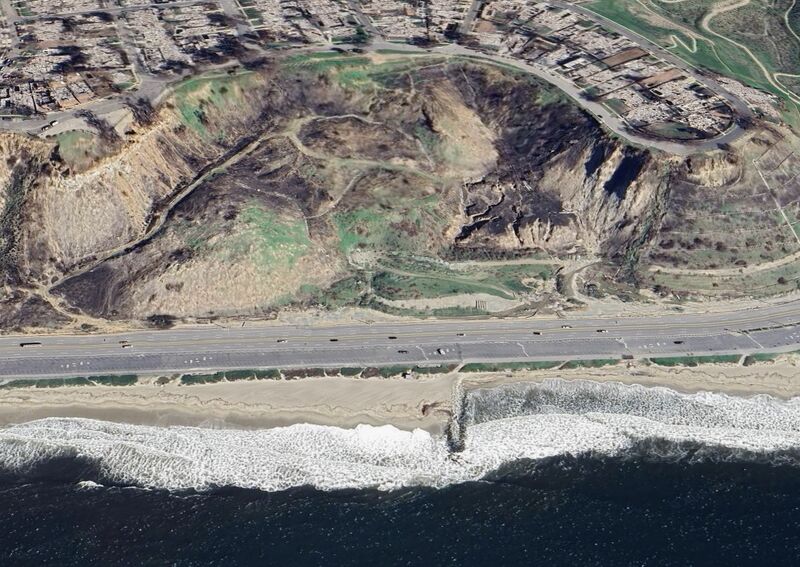
One year later, in the No Oil case, we represented citizens of West Los Angeles fighting Occidental Petroleum's plan to drill off the beaches of Santa Monica and Malibu.
The California Supreme Court adopted our position on the substantial evidence test—essentially flipping it to say that if there's substantial evidence a project may have significant environmental effects, an environmental impact report is required.
That ruling spread CEQA's reach extremely wide. Combined with Friends of Mammoth, these cases established the framework for environmental review that still shapes California development today.
On the eve of the No Oil argument, we were in a San Francisco hotel preparing to argue before the Supreme Court when we got a call from the Ford Foundation. Armand Hammer and an associate had just threatened Ford—if they continued supporting us, Occidental would take them before Nixon's IRS to destroy their tax-exempt status.
Ford told Hammer to pound sand.
We won the case. No oil rigs appeared off Santa Monica's beaches. And CEQA became the foundation for integrating environmental considerations into government decisions.
Critics now call CEQA a problem, pointing to cases like student housing projects or childcare centers being challenged. We haven't done well at re-examining these 1970s laws to see how they fit today. But the same law that can be misused in one context protects critical resources in others—like preventing a water park next to Lake Tahoe.
The challenge is distinguishing when environmental review adds value versus when it creates obstacles. That's a legitimate policy debate. But the foundation established by Friends of Mammoth—that environmental impacts must be examined before decisions are made—remains sound.
Category
News
Written by

Carlyle W. Hall Jr.
Co-Founder, CLIPI
Published
Category
News
Written by
Carlyle W. Hall Jr.
Co-Founder, CLIPI
Published
Blog and articles
Latest insights and trends
Blog and articles