Saving Los Angeles County's Last Major Coastal Marsh
Saving Los Angeles County's Last Major Coastal Marsh
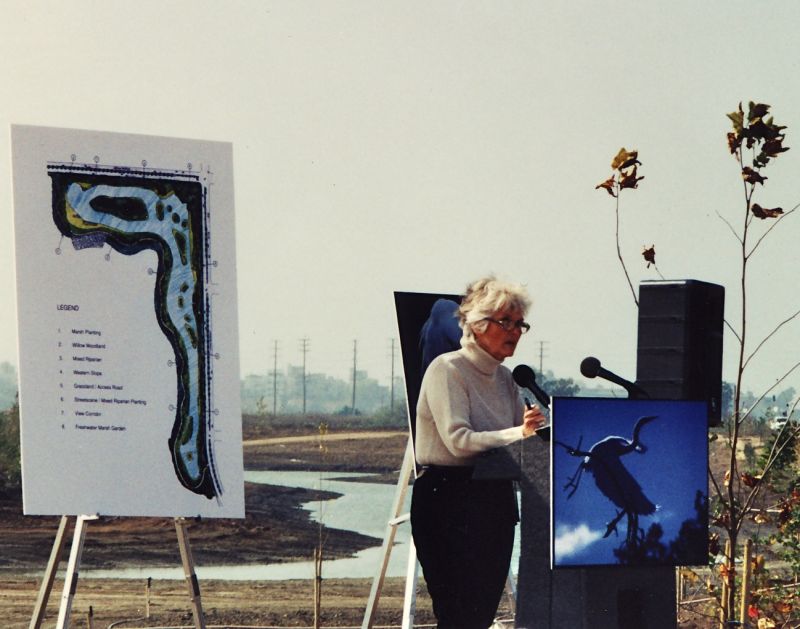
After five years of litigation, CLIPI reached a settlement in 1989 with the developers of the proposed Playa Vista project, preserving the Ballona Wetlands, Los Angeles County's last major coastal marsh.
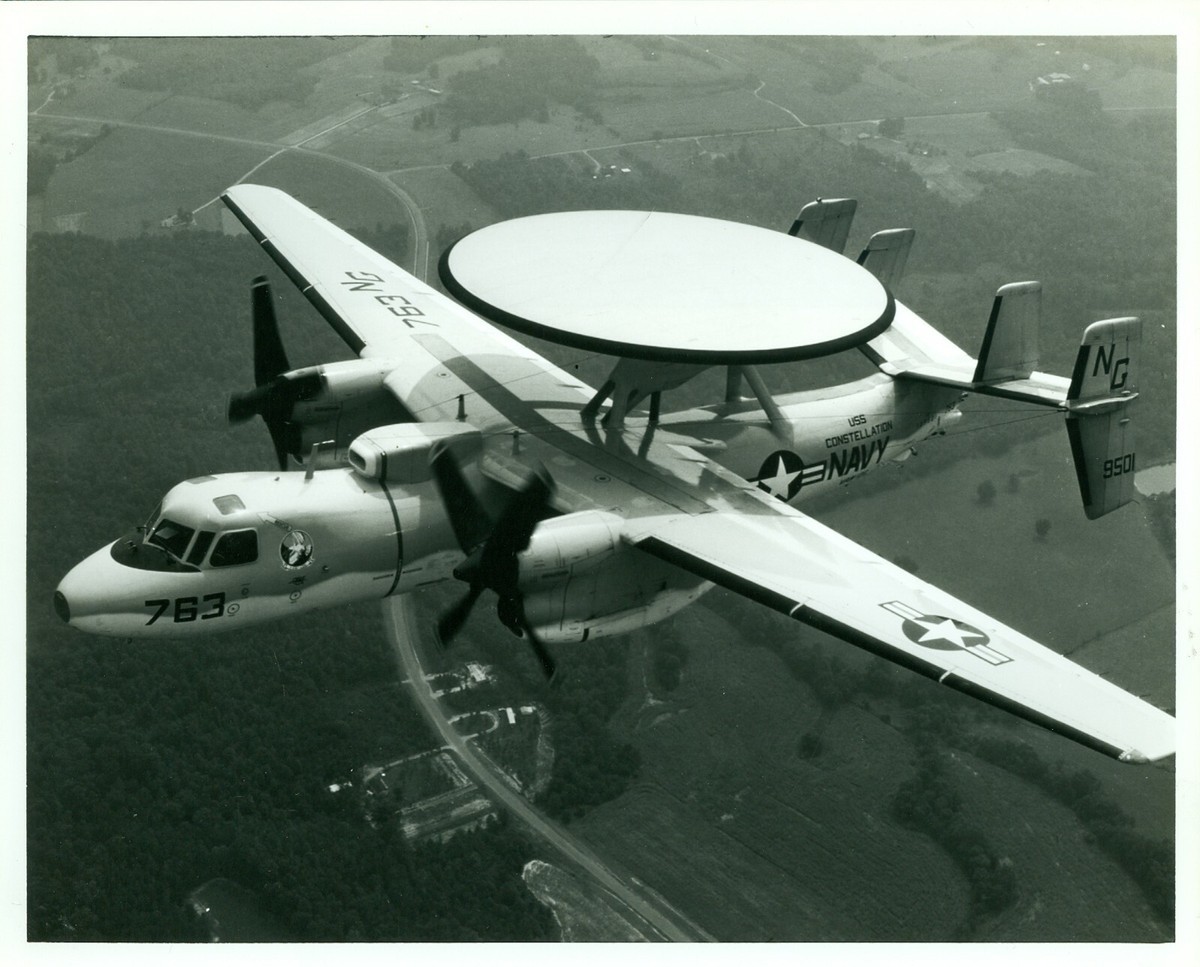
Industrialist Howard Hughes had used much of an approximately 1,000-acre parcel as an aircraft manufacturing facility. When Hughes died, officials of Summa Corporation, his successor estate, proposed a massive new development on the site, including high-rise office buildings, stores, hotels, residences, and a marina. Some 250 acres of the site constituted the largest remnant of coastal wetlands in Los Angeles County.
When the California Coastal Commission nonetheless approved the development plan with little wetland preservation, CLIPI went to court on behalf of the Friends of Ballona Wetlands.
The lead developer, Maguire Thomas Partners, who had taken over from Summa, agreed in the settlement to preserve the key wetland areas, restore them, and dramatically reduce environmental impacts by completely redesigning the development project. Eventually, the State purchased the wetlands and the nearby areas
The Ballona Wetlands now stand as protected habitat in Los Angeles—a reminder that environmental preservation and urban development don't have to be mutually exclusive when legal pressure creates the right incentives.
Category
News
Written by

Carlyle W. Hall Jr.
Co-Founder, CLIPI
Published
Category
News
Written by
Carlyle W. Hall Jr.
Co-Founder, CLIPI
Published
Blog and articles
Latest insights and trends
Blog and articles