Decriminalizing Alcoholism: The Sundance Case
Decriminalizing Alcoholism: The Sundance Case

The Sundance case changed how Los Angeles addressed public intoxication. Instead of arrest and jail, people suffering from alcoholism could access treatment.
At the time the case was filed, public intoxication arrests were the highest volume 'crime' in California, with more than 50,000 arrests annually in Los Angeles County alone.
Prior to the case’s filing in 1975, LAPD routinely made skidrow sweeps with B-wagons that would be filled up with public inebriates who would be incarcerated overnight in the LAPD’s Parker Center headquarters.
After spending the night in crammed drunk tanks without bedding or blankets and essentially no medical care, the inebriates would be bused to the drunk court.
There, they would be advised by the judge that if they pleaded guilty, they would be released the following day. But if they pleaded not guilty, they would be detained at the County Central Jail until their case came to trial – usually about 30 days. Unsurprisingly, about 99 percent of the inebriates pleaded guilty.
Even those few inebriates, like Plaintiff Robert Sundance, who pleaded guilty, were not provided trials, because the arresting officer would routinely not appear and the case would be dismissed without trial “in the interests of justice.” In the year immediately preceding the Sundance case filing, of the approximately 50,000 criminal arrests, not a single trial was held.
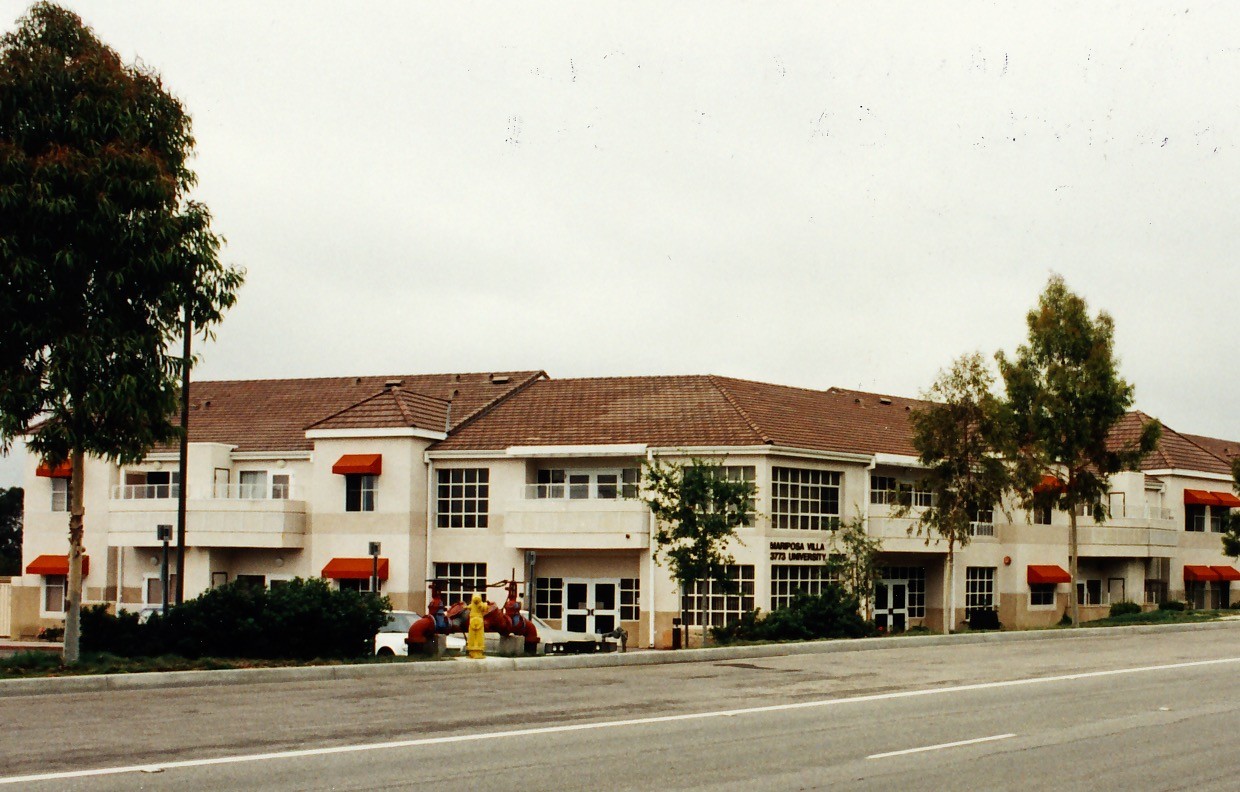
The trial court ruled that the LAPD's mass arrest and incarceration practices, and the court’s sentencing and trial practices, violated the due process rights of public inebriates. While the case was on appeal, CLIPI worked with the local charitable community to create civil detoxification and rehabilitation facilities. The El Rey Hotel, a former haven for prostitutes and drug dealers, became the Weingart Center to serve public inebriates in downtown's skid row.
In 1986, the California Supreme Court affirmed the trial court’s broad injunctive decree. LAPD arrests plunged to fewer than 300 per year. Robert Sundance, lead plaintiff in CLIPI’s class action, became sober and was appointed head of the LA County's Indian Alcoholism Commission, a position he held with distinction for many years.
Brenda Jackson Drake, our first fellow in 1975, worked on this case and said, "Our goal was to decriminalize the disease of alcoholism and get people suffering from that disease the treatment that they deserved."
The Sundance case manifestly demonstrated that public interest law could shift how society addresses basic social problems—from punishment to treatment, from criminalization to public health.
Category
News
Written by

Carlyle W. Hall Jr.
Co-Founder, CLIPI
Published
Category
News
Written by
Carlyle W. Hall Jr.
Co-Founder, CLIPI
Published
Blog and articles
Latest insights and trends
Blog and articles